





Kathmandu. The Independent Power Producers’ Association of Nepal (IPPAN) has rejected the proposal of The Nepal Insurance Authority (NEA) to set up a new mechanism without implementing the ‘de-tariff’.
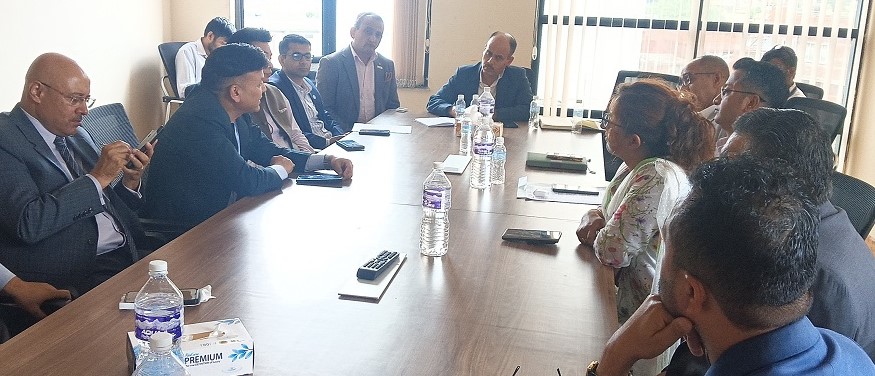
After discussions with IPPAN, Nepal Insurance Association and reinsurance companies held at nea’s central office in Kupandol on Thursday, NEA’s Executive Director Sushil Dev Subedi proposed a new mechanism to resolve the problem. IPPAN had launched an agitation after the Insurance Authority issued the ‘Minimum Premium Rate for Non-Tariff Insurance’ guidelines on June 15, 2018, and increased the premium fee by up to 500 percent.


Surya Prasad Silwal, the then chairman of the company, had urged the two sides to form a committee and come up with a consensus, saying that if there was an agreement between IPPAN and the insurance association, the provision of the previous de-tariff would be implemented. After repeated discussions between IPPAN and the Insurance Association, after the agreement between the two sides on July 1, 2080, it was sent to the Insurance Authority for implementation only on July 1, 2081. However, Executive Director Subedi had again proposed to form a new mechanism on Thursday to solve the problems seen in the separate energy insurance policy including de-tariff.
Ippan senior vice-president Mohan Kumar Dangi, vice-president Uttam Bhlon Lama and deputy general secretary Prakash Dulal immediately rejected Subedi’s proposal, saying a new sub-committee could be formed only after the implementation of the de-tariff first. “The de-tariff should be implemented first, and only then there is talk of creating other mechanisms, we will not participate in it if it is forcibly made,” Dangi said, adding, “Ippan’s movement against the increase in insurance authority’s fee is going on. ’
IPPAN Vice President Vlon said that due to the excessive increase in insurance fees, 1.5 percent of the total cost of the construction period has been made expensive for insurance, making the cost of the project expensive and 6 to 8 percent of the total income after the completion of the construction has to be spent for insurance. “Nepal’s insurance fee is the most expensive in the world and it is causing a lot of loss to the hydropower projects,” he said, adding, “The premium has been increased so that the hydropower projects cannot afford it. ’
Deputy General Secretary Dulal said that a separate energy insurance policy was necessary for insurance, adding that a mechanism should be formed only after the implementation of the agreement with the insurance association and it should solve the problems seen now. Ippan Working Committee members Uttar Kumar Shrestha and Suman Joshi said that the increased premium has made the project expensive.
Insurance Authority Executive Director Subedi said further discussions would be held on the implementation of the new mechanism after IPPAN’s stand that it would not participate in the formation of the new mechanism without implementing the de-tariff. He said that the Insurance Authority has initiated discussions with all to rectify the shortcomings seen in the insurance of the hydropower sector and the initiative will be continued to make the service sustainable and reduce the cost. According to him, special importance should be given to the construction of separate insurance policies in the hydropower sector and to increase insurance awareness.
On the occasion, officials of Nepal Insurance Association and CHIEF Executive Officers of reinsurance companies said that international reinsurance companies have refused to re-insure the insurance of hydropower sector due to high risk in the hydropower sector in Nepal. They also informed that insurance companies have formed a sub-committee for the construction of hydropower bridge and the insurance association has already moved ahead.
President of Nepal Insurance Association Birendra Baidwar Chhetri, former President Chunky Chhetri, Vice President Ashok Khadka, among others, said that the insurance association has agreed in principle to the de-tariff.
In the discussion, IPPAN representatives said that in the open market economy, the market should make arrangements to determine the insurance rate on the basis of demand and supply, and since the private sector insures on the basis of risk, the insurance on the basis of competition will help to make the project cheaper. They also said that they were ready to pay any fee based on the risk when they went to the de-tariff.