



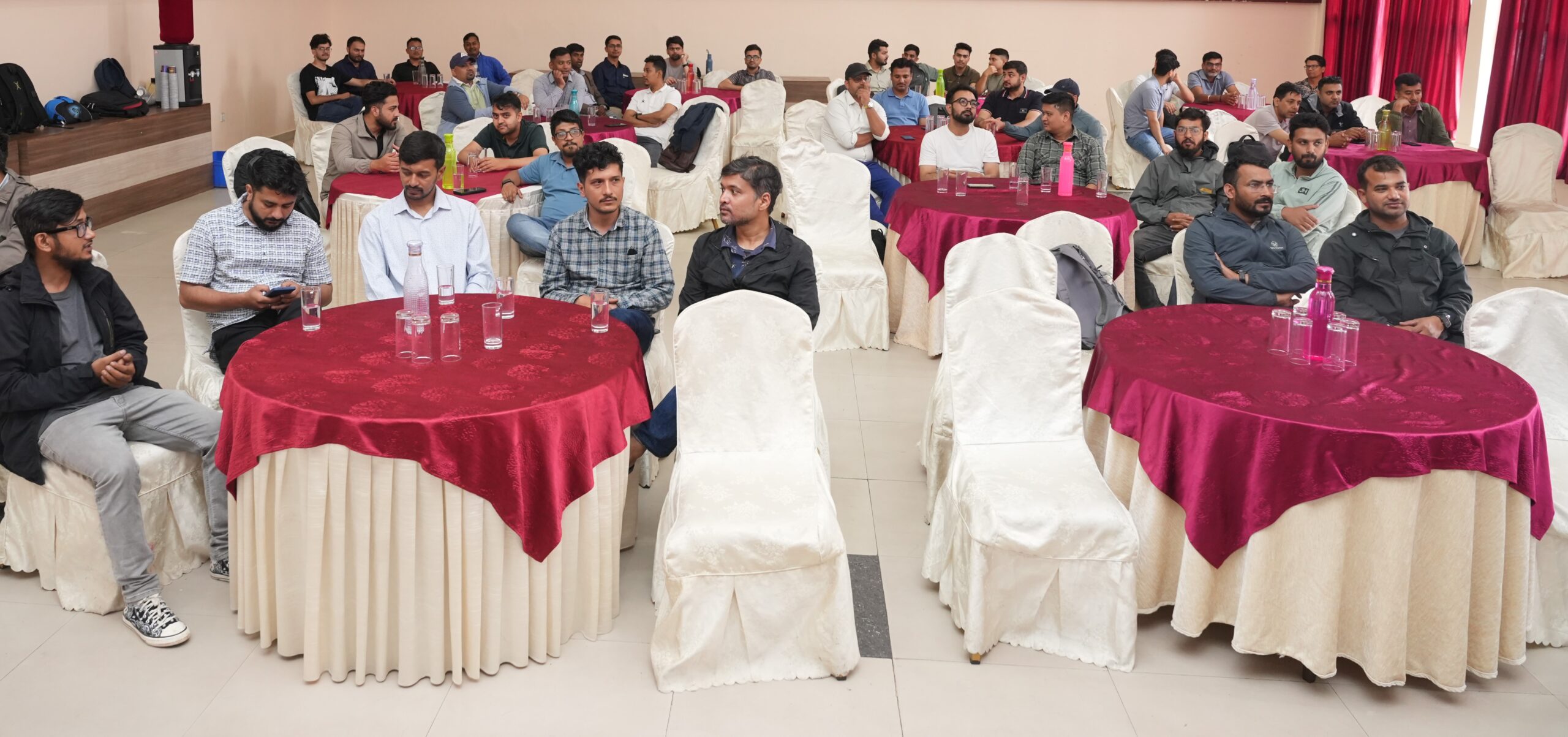


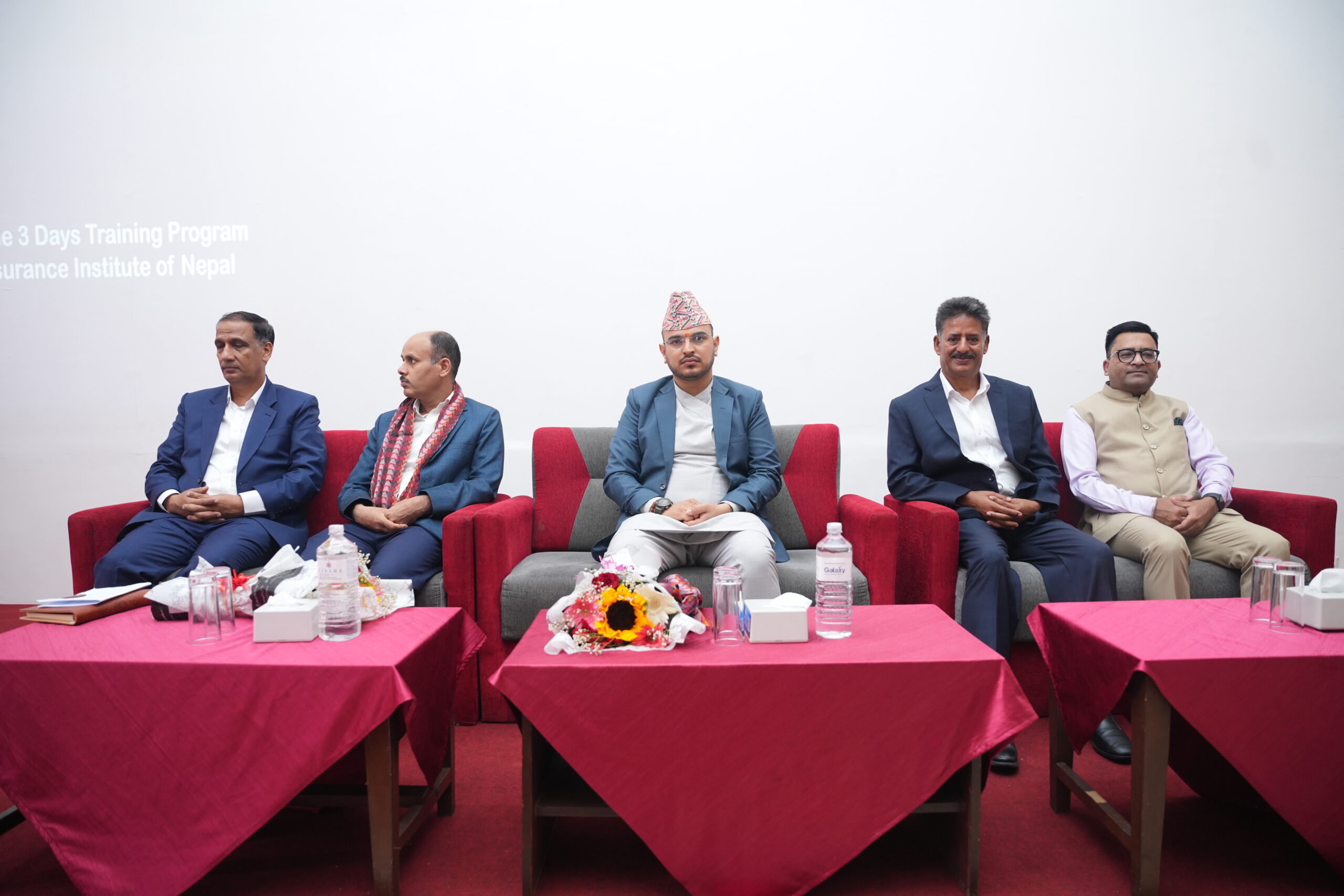
Kathmandu. The Insurance Institute of Nepal has organized the insurance surveyor training in accordance with the directives of the Insurance Authority of Nepal in accordance with the “Procedure related to recognition of the training provider of insurance surveyor, 2082”. The training has started at Lisara Reception in Nakshal, Kathmandu from June 15.
Under this training program, participants in home, property, business and engineering insurance, motor insurance, transport insurance and air insurance portfolios will receive training.


Chief Executive Officer of Insurance Institute of Nepal Dr Laxmi Kanta Poudel delivered the welcome address to all the participants in the inaugural session of the program.
Similarly, Chairman of Nepal Insurance Authority Sharad Ojha said that surveyor is a responsible, dignified and sensitive profession and the provisions related to surveyor have been included in the new guidelines issued recently for its effective management.
He stressed the need to submit a transparent, fair and timely report as big insurance claim disputes would be resolved on the basis of surveyor’s report.
According to him, surveyors need to pay special attention to making the insurance sector more sophisticated, authentic and reliable. Technical, legal, analytical, writing skills and communication skills are essential to becoming a competent surveyor. After the training, he made it clear that the license can be obtained as per the guidelines of the Nepal Insurance Authority.
The training, conducted by the Insurance Institute of Nepal, is expected to help the participants develop the necessary skills.
On the occasion, Executive Director of Nepal Insurance Authority and Chairman of Insurance Institute of Nepal Sushil Dev Subedi said that training is mandatory as per the guidelines to become an insurance surveyor. Although the participants have already become experts in their respective fields, this training is essential to connect those expertise with the insurance system, he said.
Giving more information, he clarified that the curriculum designed on the basis of the portfolio chosen by the participants will provide basic knowledge on technical and legal aspects and the rest of the knowledge will be acquired during internships and field work. He also suggested active participation in the training as it would be interactive.