



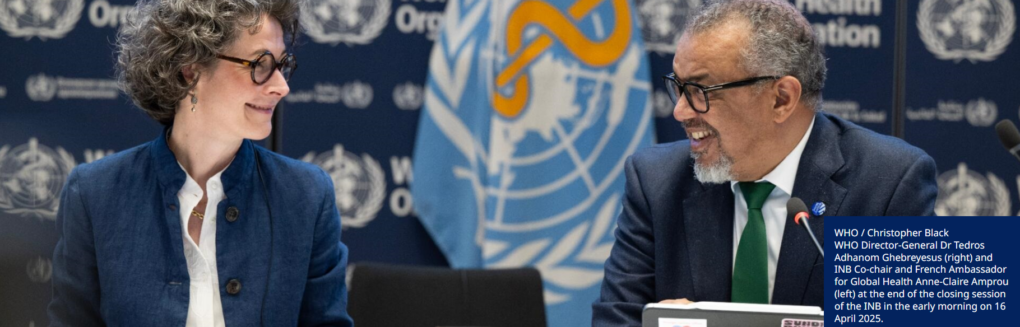


Kathmandu. Learning from the 2019 covid-19 pandemic, the World Health Organization (WHO) member states have agreed on a historic agreement to address the pandemic.
The talks between the organization and the member states for the last three years have borne fruit on Wednesday evening, the organization said in a press release. The purpose of this agreement is to prevent the repetition of mistakes made during the COVID-19 crisis.

According to a press release issued by the Health Organization, the draft of the agreement will be presented to the World Health Assembly in May for approval.
“The nations of the world have made history today in Geneva,” Tedros Adhanom Ghebreyesus said in a statement from the organization’s headquarters.
“When they reached an agreement on the pandemic agreement, they have not only made a generational agreement to make the world safer, but have also reaffirmed that multilateralism is alive and excellent. And in our divided world, nations can still collaborate to find common ground and find common solutions to common electors. “
Five years after COVID-19 killed millions of people and devastated the economy, there was a growing sense of urgency in the talks as new public health risks emerged from the H5N1 word flu to measles, monkey pox, and Ebola.
In the final stages of negotiations, cuts in U.S. foreign aid spending and threats to impose tariffs on medicines cast a new shadow on the talks. Until the end, there was disagreement on some thorny issues.
Citing sources, the Agency France Press claimed that the negotiators were stuck in Article 11 of the agreement related to the transfer of technology of health products to control the epidemic.
During the COVID-19 pandemic, poorcountries of citizens who died prematurely without vaccines around the world accused wealthy nations of hoarding vaccines and tests.
Countries with large pharmaceutical industries have strongly opposed the proposal for compulsory technical transfers, insisting that it be made voluntary. It seemed that this barrier could be overcome by adding the phrase that any technology transfer needed to be “mutually agreed”.
Finally, the 32-page agreement was fully highlighted in green, indicating that it has been fully ratified by the organization’s member states. The United States, which has thrown the global health system into crisis by reducing foreign aid spending, was not present.
U.S. President Donald Trump ordered the U.N. health agency and the pandemic deal to pull out of negotiations after taking office in January. Trump’s threat to impose higher tariffs on U.S. immigration and pharmaceutical products briefly made the talks uncertain. But in the end, the countries reached an agreement.