





Kathmandu. European research teams have announced the development of a pixel-density Retina e-paper display that meets the theoretical limits of human vision. The density of electronic displays based on nanotechnology is more than 25,000 pixels per inch. This breakthrough marks a significant milestone for the future of VR and AR technology.
Technology overview and scientific theory


}
The display, developed by Sweden’s Chalmers University of Technology, operates using Metapixel. It uses nano-discs of tungsten trioxide. Its diameter is about 560 nanometers. It is smaller than most viruses.
These metapixels are tuned as electrochromic reflectors through weak electrical pulses. It changes the optical state and color of materials by causing ion migration to their crystal structure. This is a reflective passive display. It doesn’t need a backlight. As a result, its energy consumption is very low. It has a ‘Color Memory’ feature. It can retain the image for a few minutes even after the power is removed.
Nano OLED Pixels
Physicists at Julius Maximilian University Würzburg in Germany have designed a 300-nanometer OLED pixel design. It uses an innovative gold optical antenna structure. Despite the challenges of circuits and failures at the nanoscale, it has solved current distribution problems at ultra-small sizes.
Major achievements and visual proofs
The density of the metapixels corresponds directly to the number of human photoreceptors. This means that each pixel theoretically represents the limits of human vision. The researchers successfully reproduced images of Gustav Klimt’s “The Kiss” and a butterfly on a small 1.4 x 1.9 mm screen. The results were indistinguishable from reality and in the best resolution. That’s about 1÷4000 parts of the area of a normal smartphone.
Expert Comment
}
Man cannot see anything outside this resolution. Each pixel is equal to the same photoreceptor. This is the absolute limit of the visual display. Screens can be miniature and at the same time more efficient, durable and realistic.
Application and Commercialization Challenge
}
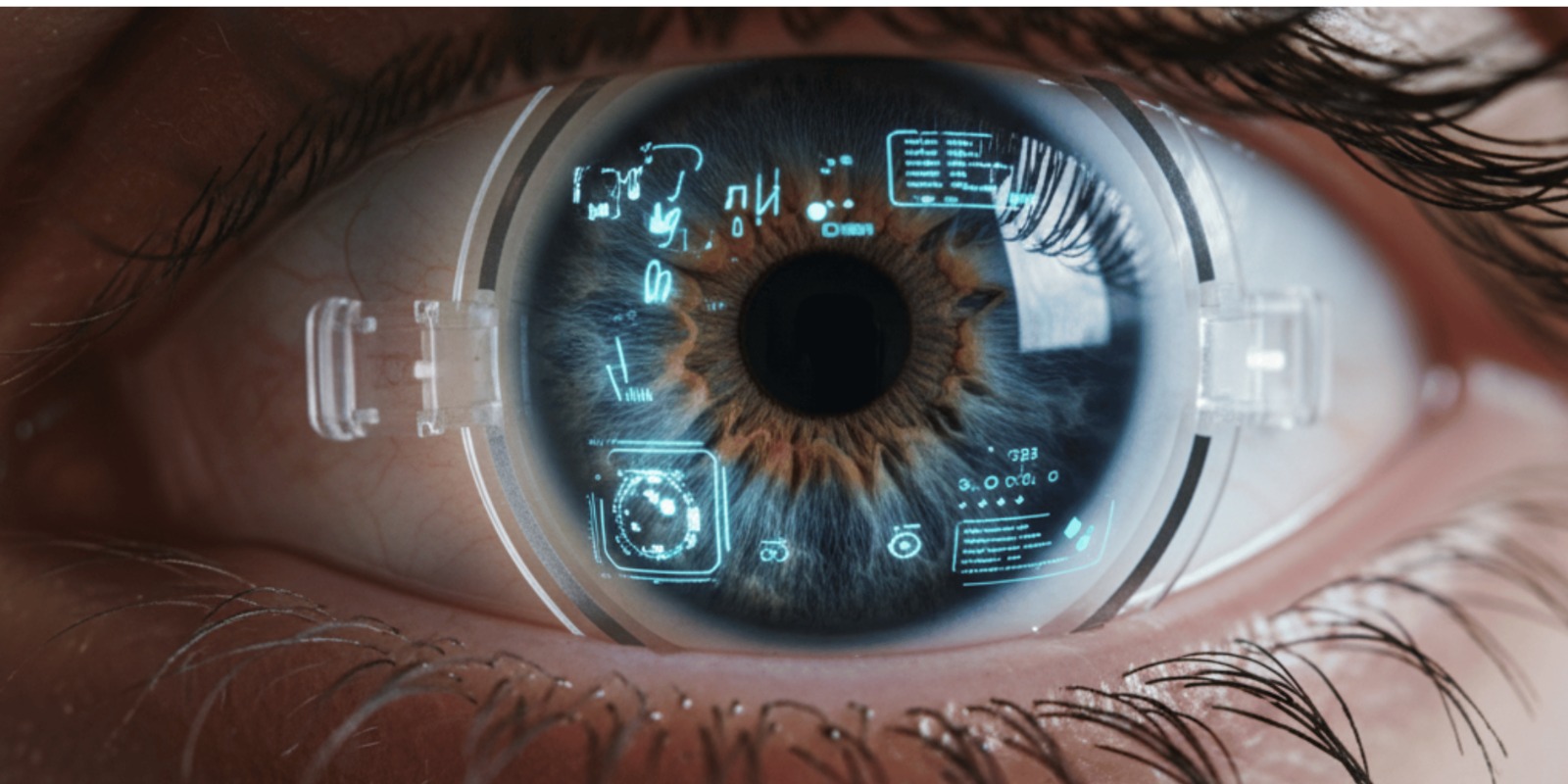
This density is essential for close-up eye devices with displays. Where it eliminates problems like color bleeding and improves realism. Ultra-efficient small screens can be embedded into glasses, contact lenses, or body-integrated devices. Reflective operation and minimal energy consumption support the green equipment portfolio.
Current Range
}
In terms of color variety and depth, OLED technology is still considered to be the best for displaying very bright and wide colors. Improvement is needed to extend longevity and cycle tolerance to millions of cycles. The fabrication of large rays requires high-precision nanofabrication and advanced thin-film transistor engineering.
This European breakthrough is a paradigm shift for visual technology. This has pushed electronic displays to the extremes of biological vision. However, it will take a few years for commercial devices to come to market. These scientific advances hold promise to redefine how we experience virtual environments, scientific representations, and wearable computing. The headsets and smart glasses of the future will soon become visually indistinguishable from reality, opening up new creative and collaborative horizons.