





Kathmandu. In October 2024, Russia, one of the world’s largest grain exporters, proposed a far-reaching financial and agricultural initiative within the BRICS alliance, the establishment of the BRICS Grain Exchange. Russian President Vladimir Putin made the announcement at the BRICS summit in Kazan.
The grain exchange aims to challenge U.S.-dominated commodity trading platforms such as the Chicago Mercantile Exchange. It has long controlled global grain pricing and commercial payments.


Strategic Objectives and Economic Impacts
The initiative is seen as part of a broader effort by BRICS countries (which now includes Brazil, Russia, India, China, South Africa, Egypt, Ethiopia, Iran and the UAE) to reduce their dependence on Western financial and business institutions.
Grain exchange will enable the following functions
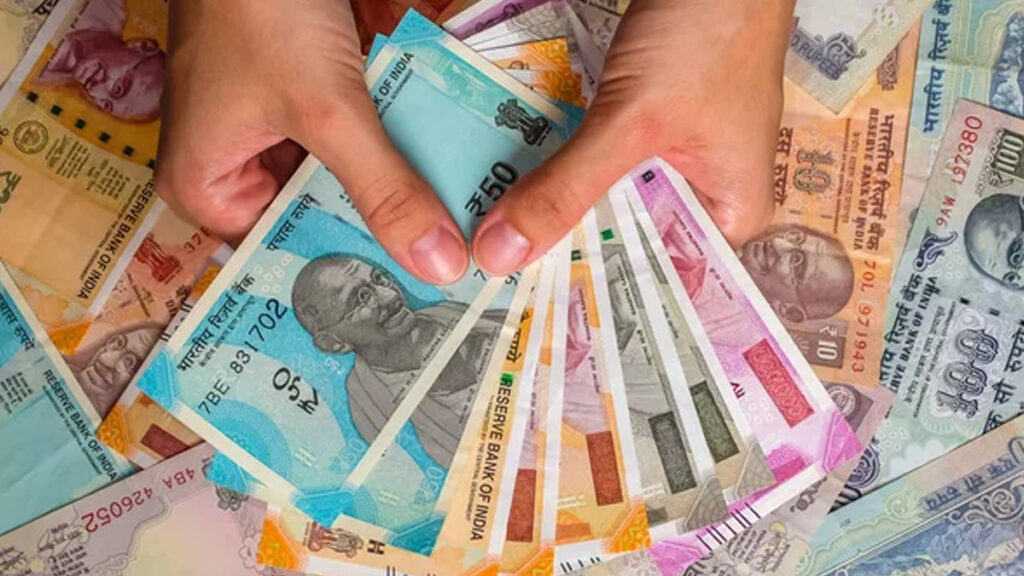
Payment in local currency: This will help bypass the dominance of the US dollar.
Independent Pricing: will bring more transparency to the evaluation of the global grain market. Russian Deputy Prime Minister Dmitry Patrushev stressed that the swap would create conditions for more objective pricing of agricultural products and increase food security cooperation among member states.
Project scale
}
Experts point to the enormity of the project, with the expanding BRICS countries collectively producing about 1.24 billion tonnes of grain by 2025. That’s 44% of global production. That’s more than three times that of the United States, the second largest producer with 450 million tons. This vast production base gives the BRICS grain exchange the potential to become an influential global player.
Implementation Timeline and Challenges
Despite widespread acceptance among BRICS members, it is estimated that it will take several years for the grain swap to become viable. Its pilot program is planned for 2026.
Main Challenge
Detailed operational planning and complex negotiations on trading mechanisms and payment systems.
The experience gained from the establishment of the BRICS New Development Bank will teach valuable lessons to lay the foundation for such joint economic projects.
The swap also aligns with the United Nations’ Sustainable Development Goals (SDGs) to reduce global food insecurity through improved market efficiency and price stability.
Geopolitical Context and Response
The move toward financial and trade freedom coincides with the threat of rising US tariffs on BRICS exports and Western sanctions targeting member states such as Russia. President Donald Trump has threatened that tariffs could reach 100% if the BRICS continues to bypass the dollar system.
Against this backdrop, grain swaps represent an important component of the BRICS strategy to circumvent the dominance of the dollar and US economic pressure. The swap has the potential to save member countries an estimated $42.5 billion annually by reducing their dependence on U.S.-based trading platforms. Which further increases its economic attractiveness.