





Kathmandu. Climate change is causing sea levels to rise slowly but steadily.
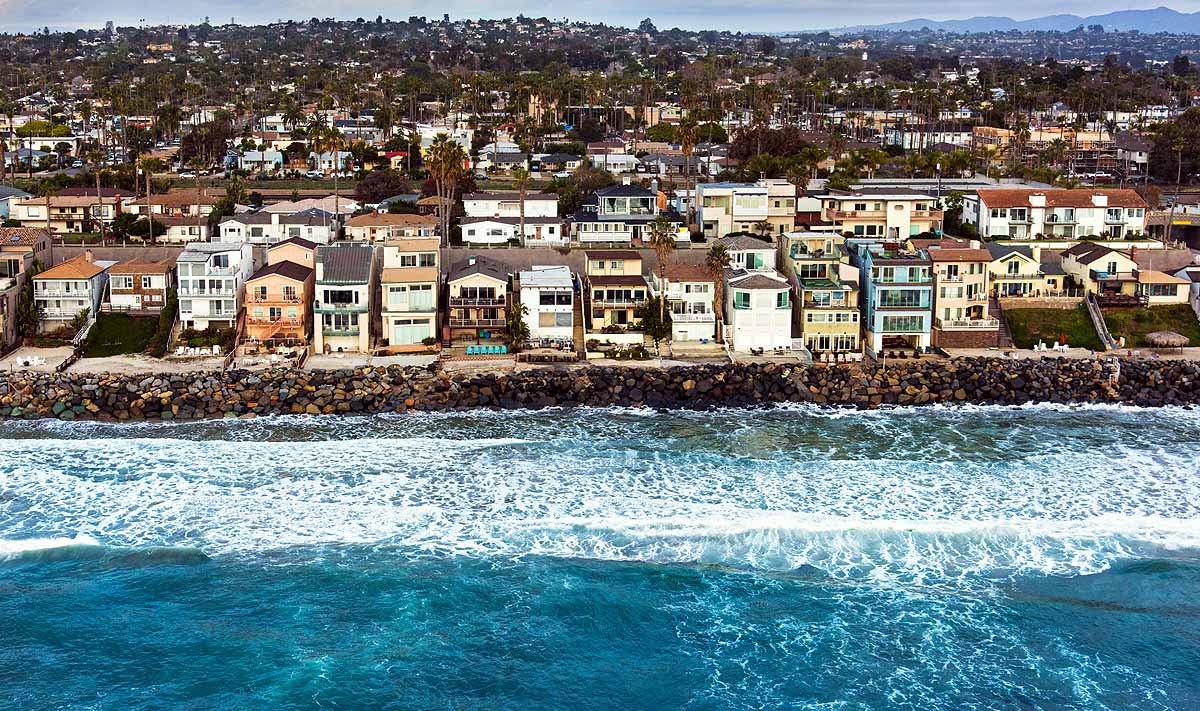
More than 100 million buildings could collapse by the end of the century if we don’t stop using fossil fuels, such as coal and oil, according to a new study. These buildings are located in coastal towns. Where millions of people live.


The study, published in the journal Nature Urban Sustainability, by scientists from McGill University, is the first to measure risk in coastal areas in Africa, Southeast Asia and Central and South America.
Using satellite maps and elevation data, the scientists estimated that if sea levels rose by just 0.5 metres (which could happen even with emissions reductions), about three million buildings would be submerged. This increase is possible even if emissions decrease.
If emissions are not controlled and levels rise by 5 meters or more, the risk will be exponentially higher. More than 100 million buildings will be at risk. Most of these buildings are located in low-lying areas with dense settlements. Entire neighborhoods, ports, oil refineries and ancient cultural sites will all be inundated.
Professor Natalya Gomez, who led the study, said: “Sea level rise is a slow but definitive consequence of climate change. They are already affecting coastal areas and will continue to do so for centuries. People often talk about 1-2 centimetres, but if fuel burning is not controlled, the level can reach several metres. ’
“It’s amazing that such a small increase would affect so many buildings,” said Professor Jeff Cardell. “Some countries will be more affected by their land composition,” he said.
This problem is not limited to buildings. Millions of people will be homeless. The collapse of the port will disrupt trade. Food and beverages will be expensive. Professor Eric Galbraith says, “Climate change will affect everyone, whether they live on the coast or not. Our food and fuel all come from the port. If it sinks, the entire global economy will be shaken. ’
“Small growth is unstoppable, but the sooner coastal areas prepare, the safer they will be,” said Maya Willard-Stepan, a researcher from the researcher. ’
Scientists have also created an interactive map. This shows which areas are most at risk. This map is useful for city planners, governments and individuals. They can build coastal walls, change land use, or relocate people if necessary.