



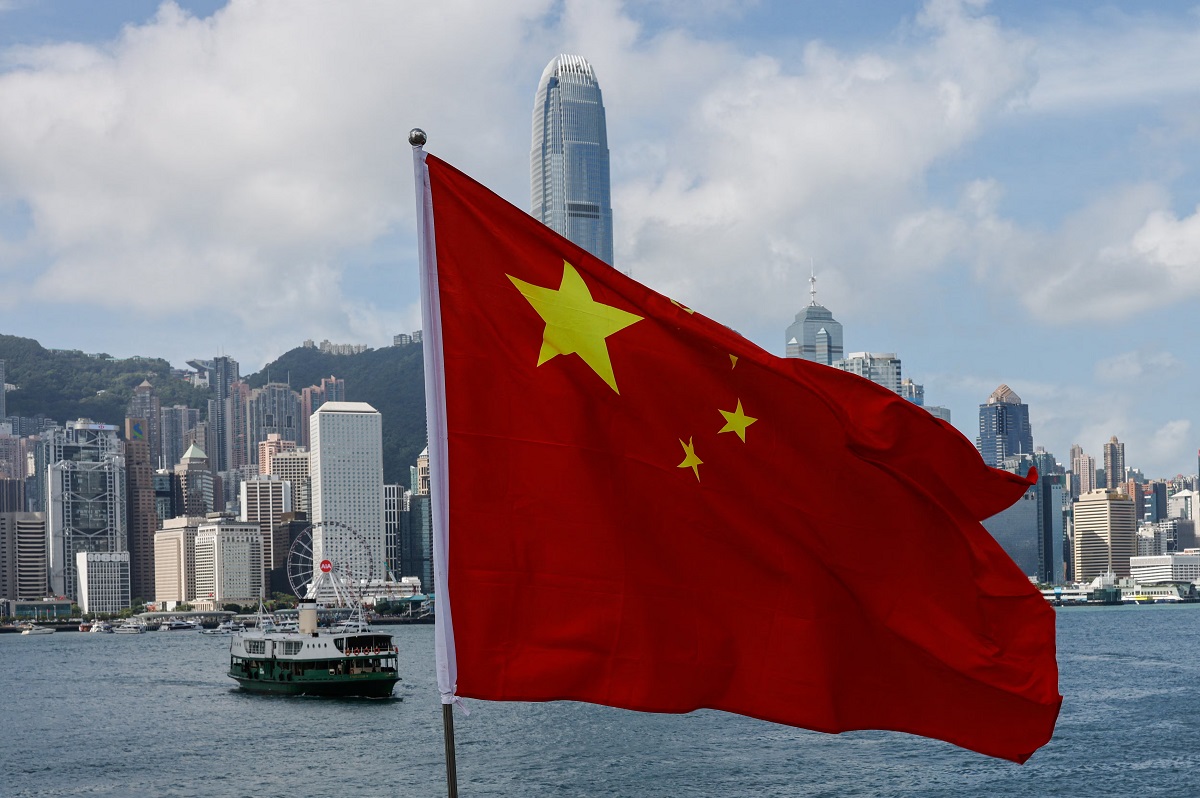

Kathmandu. China’s non-life insurance sector is expected to remain stable next year.
AM Best has not changed its outlook on China’s non-life insurance sector. That’s because continued premium hikes and supportive regulations are offsetting weak economic conditions. “Demand for new energy vehicles, ongoing health insurance reforms and new product developments are helping to support the market despite a prolonged slowdown in China’s large economy,” AM Best said.


Insurance companies are facing weak domestic demand. The IMF has projected inflation at 0.0% in 2025 and 0.7% in 2026.
The recession has affected lines such as commercial property, engineering and liability. The People’s Bank of China has maintained the one-year loan prime rate at 3% and any future easing is expected to normalize.
Regulation has become a major factor supporting this sector. The National Financial Regulatory Administration has extended the transition period for C-ROSS Phase II until the end of 2025. This will reduce the capital pressure on insurance companies. The industry’s mortgage ratio remained stable between 2024 and 2025.
Regulators have also loosened equity investment limits and imposed tighter controls on underwriting costs and data accuracy, especially on non-motor lines. Previous reforms in motor insurance have already helped to improve the combined ratio.
Motor premiums continue to rise on the back of strong sales of new power vehicles (NEVs). NEVs accounted for more than 40% of new vehicle sales in the first half of 2025 and this share is expected to reach 50% by the end of the year.
However, NEV insurance still has a higher loss rate and severity than conventional vehicles. Improved pricing and underwriting have reduced losses in early 2025.
AM Best said some insurance companies will remain vigilant by limiting access for high-risk NEV owners. “Regulators have launched the Easy Auto Insurance Platform in early 2025 to address this issue,” it said.
Short-term health insurance remains one of the strongest growth drivers. The long-standing ‘million-yuan’ medical policy segment has matured. New products for people with chronic diseases or pre-existing conditions are expected to accelerate in 2025.
AM Best expects commercial health insurance to play a bigger role as China’s population continues to grow and medical reforms continue. Insurance companies are also expanding their presence into new areas aligned with the National Development Goals, including green energy, low-altitude aviation, high-tech manufacturing, and environmental responsibility.
Inclusive finance products such as Huiminbao and Huijiabao continue to provide coverage to low-income consumers. Whereas agricultural insurance supports rural development.
Disaster insurance is expected to grow from a low base as more cities roll out regional plans.
The use of digital tools and AI systems developed in China is increasing for underwriting, claims, pricing, and fraud detection. As these technologies improve efficiency, AM Best said it may be more difficult for smaller insurers to maintain profitability as competition increases. This means that companies with strong cost controls and focused business line management will be better positioned over time.