




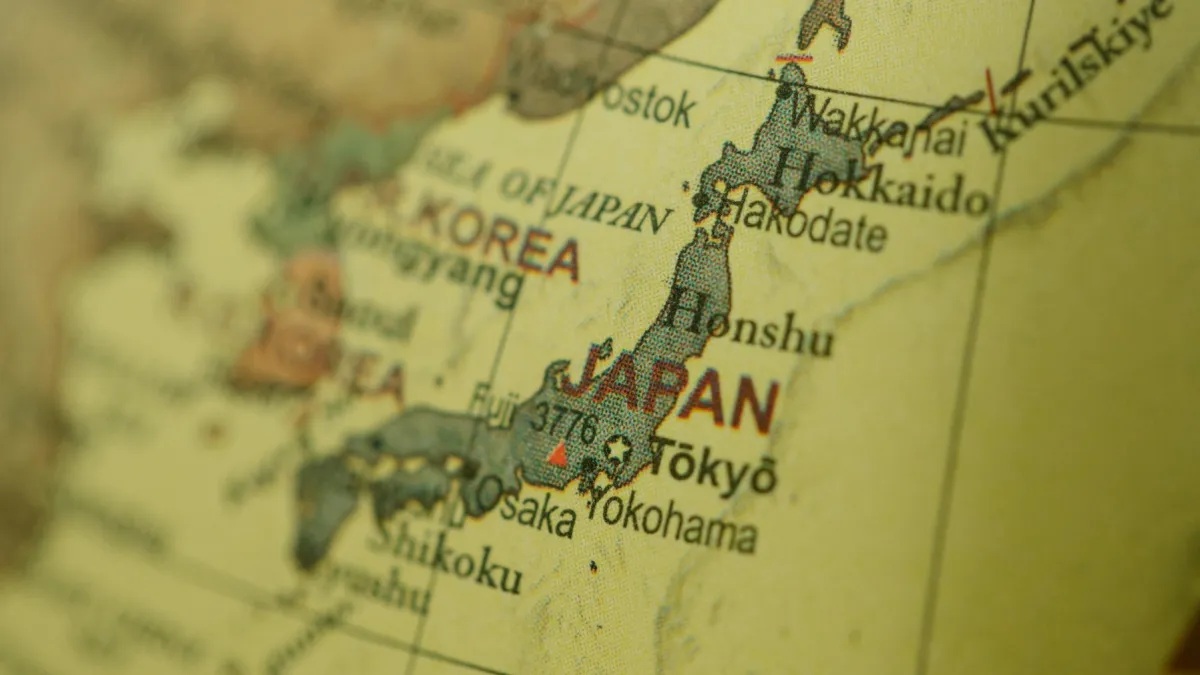

Kathmandu. Japan’s insurance companies are facing increasing pressure from the possibility of two major earthquakes. This is what the government believes is likely to happen in the next 30 years.
According to an analysis by S&P Global Ratings, there is a 60 to 90 percent chance of an earthquake in the Nankai Truffle. Tokyo has a 70 percent chance of an earthquake.



The potential insurance payments to the industry from these events could exceed those of the 2011 East Japan earthquake. S&P warned that a large increase in insurance claims, especially for those providing corporate earthquake coverage, would primarily affect non-life insurers.
Based on government damage estimates, non-lifetime earthquake-related payments, excluding domestic earthquake insurance, could reach $26.2 billion for the Nankai Trough event and $7.0 billion for the Tokyo earthquake.
In 2024, the insurance industry’s general revenue was about $14.1 billion. This means that a large earthquake can add about 45 percent to the damage ratio after the Nankai Trough earthquake and 12 percent after the Tokyo earthquake.
Domestic earthquake insurance will have a limited impact on private insurance companies. This is because the government covers most of the risk through the Japan Earthquake Reinsurance Company.
Under the current plan, the maximum financial burden on the private sector is capped at $2.1 billion. Life insurance companies are expected to cope well with this impact. S&P estimates that life insurance payments will be about $15.4 billion after the Nankai Trough earthquake and about $1.2 billion for the Tokyo earthquake.
Japan’s insurance industry generated a modest profit of about $19.8 billion in 2024. This suggests that life insurance companies can bear these losses. During the COVID-19 pandemic, Japan’s life insurance companies were profitable by paying out $8.3 billion in claims.
The volatility of Pan’s financial markets is another concern. After the 2011 earthquake, the domestic stock market plunged nearly 15 percent, long-term interest rates fell and the yen initially strengthened before authorities intervened.
S&P said insurers have since reduced their exposure to equity, interest rates and currency risk. This makes them more flexible for the same shocks. However, a major earthquake could still weigh heavily on Japan’s sovereign credit rating due to economic damage and reconstruction costs.
Many Japanese insurance companies have large real estate portfolios and rely primarily on the home business. This means that their valuation is linked to the universal valuation. A downgrade in sovereign valuations will put further pressure on the valuations of insurance companies.
The S&P said that while Japanese insurers strengthened their risk management, they would not be able to fully insulate the financial pressures of a major earthquake. The impact on credit may be higher than seen since the 2011 outbreak. Source: Insurance Asia