





- Prem Wali
}
The overall economic situation of the country is currently very slow. There is widespread gloom in almost all areas, while none of the sectors are entirely optimistic. Political instability, lack of long-term economic outlook, decline in enterprise and job creation, and inactivity of capital are all contributing factors to the slowdown of the country’s economy.



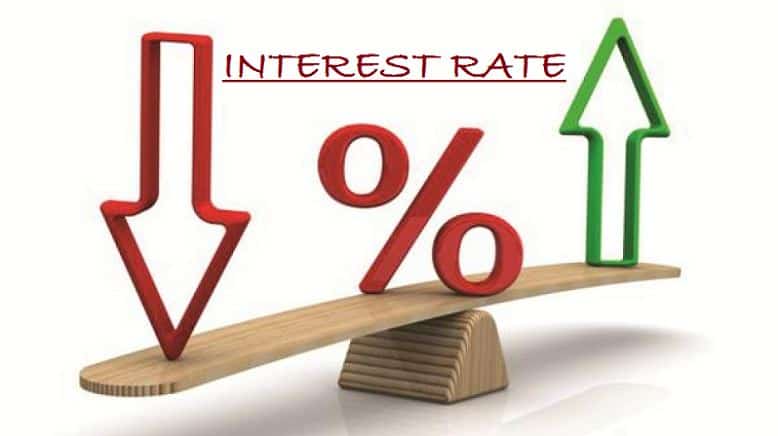
Today, deposits are piling up in banks and financial institutions, but no one is willing to take loans even at cheap interest rates. This reality is a serious sign that people do not want to see the future of investment. Of course, there is also a growing mentality that it is safer to migrate abroad than to start a new business. The daily flow of people at the international airport confirms this.
Major reasons for the recession: Unbalanced credit expansion in the real estate business
}
In the last few years, banks and cooperatives have extended excessive loans in the name of land transactions. Many borrowers picked up large plots, but the price of land did not increase as expected. As a result, the debt could not be repaid.
The problem aggravated when the cooperatives could not sell the huge plots of land. Instances of some banks lending on the basis of excessive valuations also increased the risk. The banks have been able to seize the land in order to dry up the loans, but the capital has been frozen as they have not been able to resell the properties due to lack of price in the market.
The main reason for today’s weakness is that a large amount of the country’s capital is stuck in fixed assets. The inaction of the banks is increasing the risk of the coming financial crisis. Therefore, the NRB and the government need to bring concrete and long-term policy reforms in this regard.
Stock Market: Effective means of long-term capital mobilization
}
However, for some, the stock market may seem like a gamble or a risky game. But the fact is that the stock market is considered to be the backbone of any country for well-organized capital mobilization.
Big projects, hydropower, financial institutions, manufacturing industries all need long-term investment. This cannot be fulfilled by the banking system alone. This is what the stock market fulfills.
Companies can raise capital through promoter shares, ordinary shares, right shares and FPOs.
If there is no stock market, how can companies raise big investments? How to increase production, employment and enterprise in the country?
Therefore, the government should not only demean the stock market as a gamble, but also take it to the model of a developed economy.
Stock Market: A huge financial platform with participation from all sections and generations{
}
Another feature of the stock market is its inclusivity. From housewives to retired citizens, from youths to grandparents, from those who invest thousands of rupees to multi-billion investors, everyone is actively participating here.
According to the latest data, about 72 lakh investors are connected to this market across the country. This number is enough to prove the national importance of the stock market. When the market is in flux, a large population is directly affected.
Investors spend their earnings on business expansion, consumption expenditure, education, health, travel and other services, which will create a positive ripple in the overall economy.
The government does not need many resources to keep the economy moving. Only positive guidance is enough for the stock market.
What should the government and the regulatory body do?
The stock market can be an important tool in a country’s economic recovery. However, some steps are necessary for this.
Policy Clarity: Uncertainty increases as the rules and regulations of the stock market change in a piecemeal manner. It is very important to have a stable, clear, far-sighted policy for all.
Investor-friendly tax system: Tax system such as capital gains tax, demat fee, transfer fee, etc. should be simplified, justified and incentivized.
Transparency in Market Operations: Strict implementation of the information system, monitoring, monitoring, IPO process, price sensitive information (MPS) increases market confidence.
Long-term Institutional Investor Incentives: Pension funds, insurance companies, technical funds need to create a conducive environment for them to enter the market.
Economic stability and political clear message: Political uncertainty is the biggest enemy of investment. The government’s clear economic roadmap and commitment to investment protection can send a solid message to the market.
Conclusion
The stock market can be a powerful alternative to the country’s economic slowdown, lack of employment, decline in production and capital inactivity. Factors such as the trust of 72 million investors, the potential for institutional investment, the ability to provide long-term capital to businesses and industries are factors that make the stock market very important in today’s situation.
Now, the coordinated efforts of the government, Nepal Rastra Bank, SEBON and the concerned bodies are needed. Once the stock market moves in the right direction, it will play a decisive role in restoring the economy’s vitality.
(The author has been active in the stock market for a long time.) )