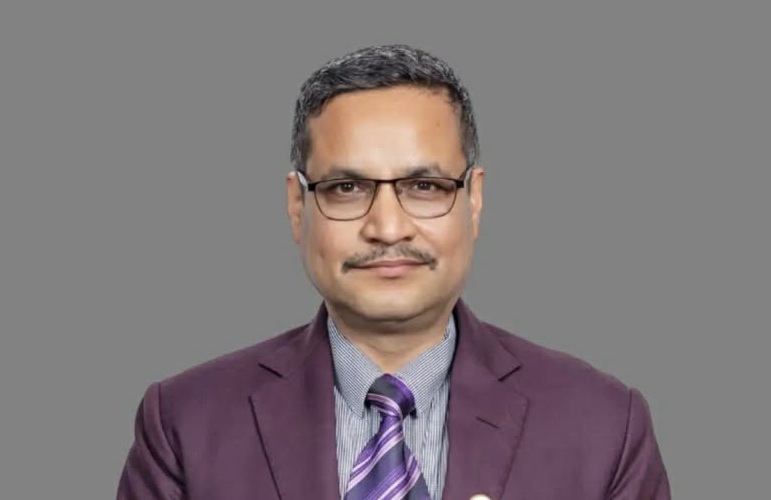




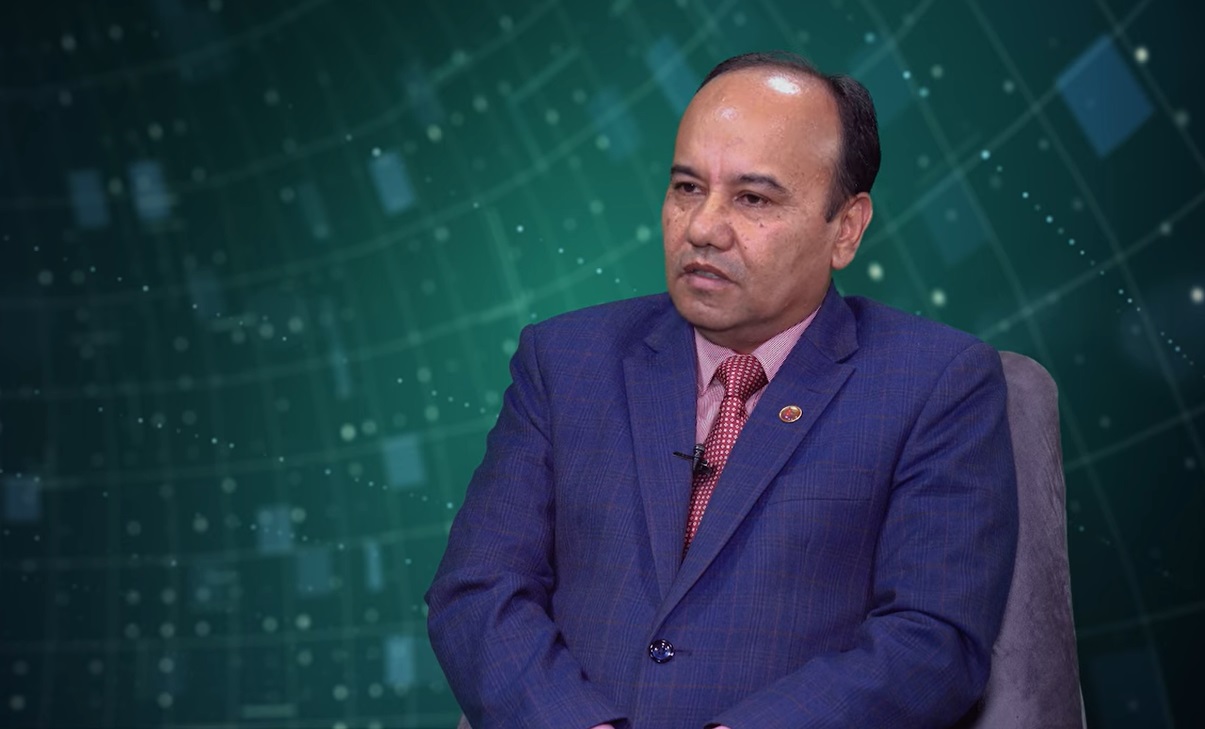

Kathmandu. The Chief Executive Officer (CEO) of Siddhartha Premier Insurance is Birendra Bahadur Baidwar Chhetri{}. He is also the president of Nepal Insurance Association. Baidarwar has been active in the insurance sector for more than 3 decades. He holds an EMBA from Purbanchal University. Summary of the conversation with CEO Baidwar about the status, challenges and opportunities of the non-life insurance business after the recent GenG agitation at Banks and Enterprises{{TAG_CLOSE_span_85}
Insurance companies don’t seem to be feeling a little better right now, right? The pressure to pay claims for damages caused by the Genji movement is a bit greater. What is the current status of claim payment?



Insurance companies are making claims and payments. Last year too, insurance companies were under pressure to pay their claims due to unnatural floods and landslides. This time, the situation was also created due to the Genji movement. The number was not much, but the damage was huge. With more than Rs 23 billion claimed, it is also an opportunity to restore credibility to insurance. Therefore, companies are trying to pay the claim without hesitation.
When it comes to the claim payment after the incident of September 23 and 24, how many claims have been paid till date?
This information is regularly made public by the Authority. So far, around Rs 3 billion has been paid. Out of Rs 23 billion, claims worth Rs 20 billion are yet to be paid. About 100 big business customers have big claims. Insurance companies are finding it difficult to make advance payments and pay small claims as it takes time to prepare a detailed report. The insurance company itself cannot make some payments quickly. The vehicle has been completely damaged and needs to be registered by the Transport Office. In case of complete damage, advance payment has been made in case the documents are not available. In others, there has been a delay in payment of claims due to lack of documents. As soon as these problems are resolved, the claim payment increases.
How easy and how difficult is it to pay such a huge claim so far?TAG_OPEN_strong_100 There wasn’t that much in the earthquake. What is the condition of your manpower, surveyors, etc.?
That’s right. The claims of one or two companies were big and they were paid. But it wasn’t so much at once. When a claim is made at the same time, it has to be taken forward by working together with different agencies. For the police report, we need data from the police office, local ward office, big business, which is also burnt. Some government offices have also been burnt down, causing delays in getting the required reports. In view of this, we have prioritized advance payment to provide relief to the insured. We can pay small claims within a month and a half.
In some cases, the data you use for claim settlement is burned. Are you compelled to pay more claims because of the burning of these data?
So far, no such data has been manipulated. All stakeholders need to be aware of this.
Many of the claims are under terrorism?
That’s the situation so far. We should not look at it with suspicion. However, some were found to have insurance on the 23rd and 24th as well. Insurance companies should also be aware of this. Some people now feel that they will be harmed, but they have been insured. Some are not set on fire by intent. However, this number is very low. Some people have also been found to have taken insurance because they are afraid of damage. But very little.
In Nepal, the premium of the terrorist group was considered by the companies as safe income. But now the pressure is on at the same time. There was also a lot of confusion about which of the two reinsurance options to take. What is the role of reinsurance now?
In the aftermath of the Maoist conflict, reinsurance companies around the world did not take out insurance because of the increased risk. But since then, there have been no major incidents. This led to a huge increase in profits and a large amount of reinsurance. At present, the insurance companies did not keep a hundred percent risk, but also kept a small percentage of the company themselves. However, it is a well-known rule of thumb that no matter how safe it is, you should not bear the risk completely. The two companies wanted to be able to share the risk. However, as per the law, the contingency liability monopoly was with Nepal Reinsurance Company. So it stayed with him.
How much money is paying? On the one hand, you are paying in advance. In such a situation, did he give any money to Goodwill?
In the initial situation after the agitation, it was said that 50 billion would be at risk and Nepal’s insurance companies would not be able to pay and there would be a runaway. However, the insurance companies of Nepal started making advance payments on their own behalf after visiting the affected areas with their surveyors the next day. This has also helped to increase public confidence in insurance. Later, another commentary arose, the insurance companies gave relief, but the question was how the reinsurance could pay, such a big amount of money. However, out of the Rs 3 billion currently paid, about 50 percent has been given by the reinsurance company.
The insurance companies carried the risk of terrorist groups to the same extent. In the meantime, a review was done and it was brought to its current state. Is it time to review again?
The agreement has been signed for this year. We’ll probably review it next year.
How many clusters of terrorist groups are you at risk of retention and the rest are sent to reinsurance?
Insurance companies will have a share of Rs 33 crore in the claim up to the first Rs 10 crore and the remaining Rs 6.5 crore will be re-insured. As the insurance amount increases. If the insured is insured for Rs 20 crore instead of Rs 10, then it will be Rs 3.5 crore. At the same time, Rs 16.5 crore is in the reinsurance. Therefore, if there is an insurance claim of Rs 10 crore, then the liability of the insurance company is 35 percent. The remaining 65 percent goes to Nepal reinsurance. Currently, the sum insured is different for the number of claims. Some have 1 billion, some 50 billion. In such a situation, the liability of the insurance company will be only 15 to 20 percent. About 80 per cent of the Rs 23 billion insurance claims come from businesses owned by big houses. The remaining Rs 5-6 billion is in motor and other small claims, while Rs 17-18 billion is in large claims. In large claims, there is a loss of Rs 1 billion and the insurance company will have a loss of Rs 35 million.
If there is a claim of around 23 billion, then what are the chances of it falling to 15-16 billion?
This is a preliminary estimate. We don’t think it’s going to be much more than that. There is no time to say that it will happen.
What has been the impact on the balance sheets of insurance companies after the GenG movement?
As of last July, the net profit of insurance companies was around Rs 6 billion. Last year’s floods and landslides caused a loss of Rs 12-13 billion. Even after deducting the loss, the profit was Rs 6 billion. Now it’s 23 billion. Another 10 billion has been added. Therefore, the industry, which made a profit of Rs 6 billion, will come down to a profit of Rs 3.5 billion. Profits will only decrease. It doesn’t matter.
Will the market expansion make it look good?
There will be some contraction in profits. That’s not all insurance companies. Only 4-5 big companies will be affected.
Again, is this an opportunity for you to expand the market?
I’ve said it before. I have experienced that the insurance companies have spent as much money to promote their business under the heading of their business.
TAG_OPEN_strong_89 We have already seen earthquakes, corona, floods and landslides last year. Has it helped the market grow?
When everything else slows down, insurance doesn’t just go up. This is one of the most important aspects of the economic sector. It does not mean that other sectors will shrink and only the insurance sector will move forward. Nowadays, the trend of insurance has increased. But it’s not long-term. Unless the culture of insurance is not maintained spontaneously rather than compulsion, insurance will not get a good market in our country.
Now the government has also verbally committed to insure government property and public property.
While taking this initiative for many years, the government has now committed to insure such property. Which is very good.
Incumbent Finance Minister Rameshwor Khanal was the coordinator of the High Level Economic Reform Commission some time ago. He has mentioned in his report that government property should be insured. It is believed that this work will materialize now that he has become the Finance Minister.
What was the condition of government vehicles?TAG_OPEN_strong_87 Were you insured or not?
Some of the vehicles of the municipality and the state government have been insured. However, the insurance of government vehicles is not that much. Some government vehicles are insured. However, it was found to be only a third party. For some, insurance is a third party. It was just that I had done it. But that’s a different matter. Some have demanded payment of claims without understanding.
I think the government will also insure the government property gradually from next year by allocating some budget.