



Introduction
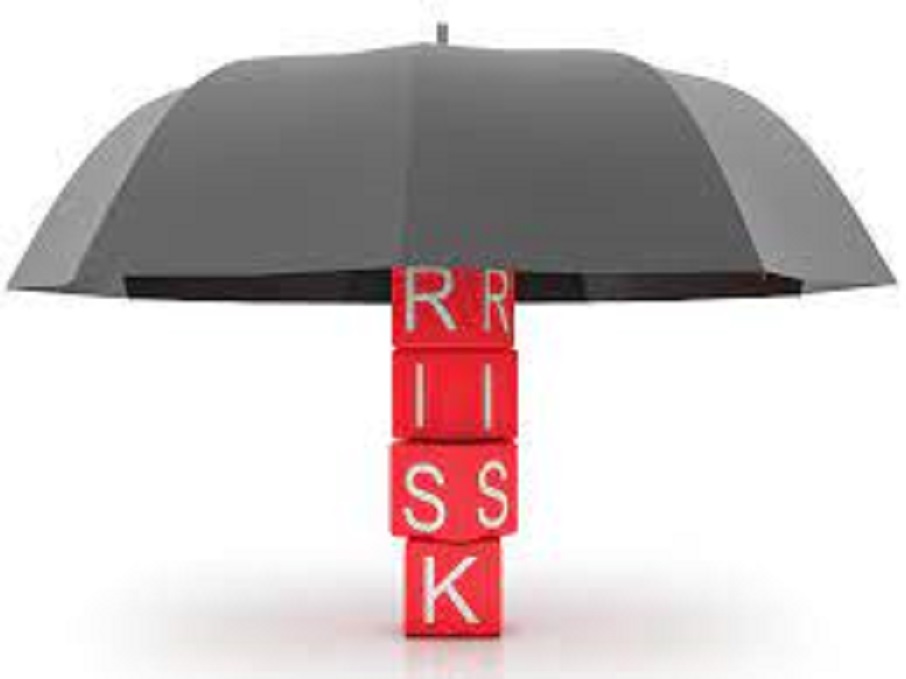
Insurance is an important tool in risk management. Risk is the uncertainty that may occur in the future, the loss or damage that may result from it. Past experiences show that individuals, organizations, or countries have suffered various kinds of losses. Risk management is the process of minimizing the economic impact of losses caused by such uncertainties, in which insurance plays a very important role.


Through insurance, many people are protected from large potential losses by paying a small amount. That’s why insurance is one of the most effective ways to reduce risk today.
Evolution of Insurance in Nepal
}
Insurance was started in Nepal some 70 years ago. In the early years, insurance service was limited to a limited area and class. Many people were not aware of the meaning of insurance and its uses. Currently, there are more than two dozen life and non-life insurance companies operating in Nepal. These companies provide services such as motor insurance, health insurance, fire insurance, agricultural insurance, accident insurance, and foreign employment insurance.
Over the past decade, significant progress has been made in legal reforms, policy reforms, the use of digital technology, the expansion of insurance literacy, and market competitiveness. However, some challenges remain during this period that point to prospects for future improvements.
Natural Disasters and Insurance Requirements
The devastating earthquake of 2072 BS caused a huge loss of life and property in Nepal. Natural disasters like these have made the need for risk management even more apparent.
It is necessary for the government to adopt a policy of compulsory property insurance instead of the tradition of giving compensation only after the incident. If the property can be brought under the ambit of insurance, the economic loss of the people can be minimized. There should be an arrangement for the state to provide insurance through grant for the poor and backward classes.
Current events and insurance requirements
Public and private property has been heavily damaged during the recent Genji protests. This loss has had a serious impact on the state’s economy.
Insured assets are protected due to the compulsion of the private and business sectors to take out bank loans, but most government assets remain uninsured. Damages to buildings like Singha Durbar, Parliament House, Supreme Court, President’s Palace and other structures were not covered by insurance, which put a huge financial burden on the state.
Therefore, there is an immediate need to implement the policy of compulsory insurance of government property. For example, just as third-party insurance is mandatory on a vehicle, home insurance can be made mandatory when paying home tax.
{{TAG_OPEN_strong_44}Agricultural Insurance and Rural Situation
}
Currently, there is a subsidy programme on agricultural insurance, but traders have benefited more than rural farmers. It needs to be systematic, transparent and targeted. Insurance schemes related to house, cattle, livestock, crops, fruits and health should be promoted through the local bodies. The state should provide appropriate grants to it.
Challenges to insurance companies and regulatory bodies
The number of insurance companies in Nepal is increasing. However, the increase in the number of companies does not mean the expansion of insurance. It is necessary to pay attention to the capital, capacity, and service expansion of the company.
Although Nepal Insurance Authority (NEA) is a regulatory body, its performance has been affected due to political interference. Qualified and skilled manpower should be appointed in sensitive areas like insurance. The regulatory body should be independent, transparent and accountable.
Conclusion
The concept of risk management and insurance is gradually strengthening in Nepal. However, natural disasters, social instability, and weak regulatory frameworks still limit access to insurance. Nepal can become self-reliant in risk management in the coming days if the state strengthens the insurance system through mandatory insurance policies, rural targeted programs, and transparent regulation.
Khanal is the provincial chief of IGI Reproductive Insurance Limited. )