





Kathmandu. Nepal’s farmers have to bear the brunt of the indiscriminate exploitation of natural resources and excessive pollution by the world’s powerful and industrialized countries.
Farmers’ farming practices have been disrupted due to lack of change in the pre-determined time due to climate change. Last year, due to lack of monsoon rains for a long time in Madhes Province and other provinces of Terai, the drought destroyed the crops in the fields.



Due to drought in Madhesh Province, the federal government was forced to declare it a crisis-hit zone. Although the government’s announcements were limited to paper, the farmers could not get relief.
As climate pollution is increasing globally, Nepal’s mountain ranges are increasingly looking like bare mountains without turning white even in winter. It has been many years since the world’s highest peak, Pokhara’s Machhapuchhre Mountain, which is popular among tourists, has been looking like a barren black stone for a long time even in winter.
Agriculture and water resources are projected to be the most affected, as rising temperatures and unpredictable rainfall due to climate change will make the monsoon colder and the winter season drier. These changes were foreseeable. Floods have doubled in recent years, while landslides, storms and droughts have increased more frequently.
According to a 2019 study, an estimated 80 percent of Nepal’s population is exposed to natural and climate-induced risks, leading to food insecurity, water scarcity, displacement, infrastructure destruction, disease outbreaks, and loss of life.
According to the Climate Risk Index (CRI) 2025 published by Germanwatch, Nepal ranks 78th among countries affected by extreme weather events due to climate change in the past three decades (1993-2022).
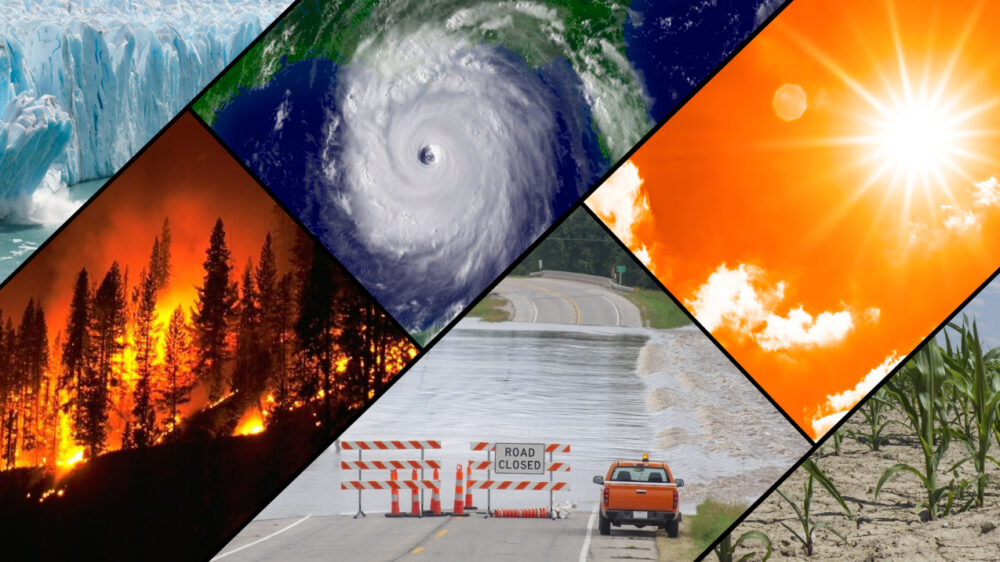
The index is based on the impact of natural disasters caused by climate change such as extreme heat, heavy rainfall, wildfires, deadly floods and devastating storms in different countries.
According to the index, an average of 249.7 people lose their lives each year in Nepal due to climate-related disasters. The mortality rate is 0.189 per 100,000 people, while 75,840 people are directly affected.
According to a report by German Watch, human-induced climate change affects the frequency and intensity of extreme weather events, causing widespread adverse climate impacts.
Similarly, the report indicates that Nepal suffers an annual economic loss of $221.3 million due to climate-related disasters, which is 0.258 percent of the country’s gross domestic product (GDP).
According to the Climate Risk Country Profile: Nepal (2021) report published by the Asian Development Bank, the components of climate change cannot be separated and by 2030, the affected population is expected to increase by 199,000 people and the annual impact on GDP will increase by USD 574 million. In both cases, the effect more than doubles over a 20-year reference period.
According to the report When the Climate Becomes a Threat Evidence of Climate Change Induced Loss and Damage in Nepal published by Dan ChurchAid, there is strong scientific evidence that climate impacts are becoming increasingly visible and affecting all regions and regions of Nepal.
In the report, the average annual economic losses from climate-induced disasters are about 0.08% of GDP (2018/19 gauge at current prices), while in peak years such as the 2017 Terai-era, the economic losses from this single disaster event were about 2.08% of GDP (2017/18).
Even if global temperatures were limited to 1.5 °C, about 36 percent of Himalayan glaciers would disappear by the end of the century. It will cause irreversible damage and damage to the lives and livelihoods of two billion people in South Asia. The magnitude of the damage in Nepal is easy to estimate but very difficult to manage.