



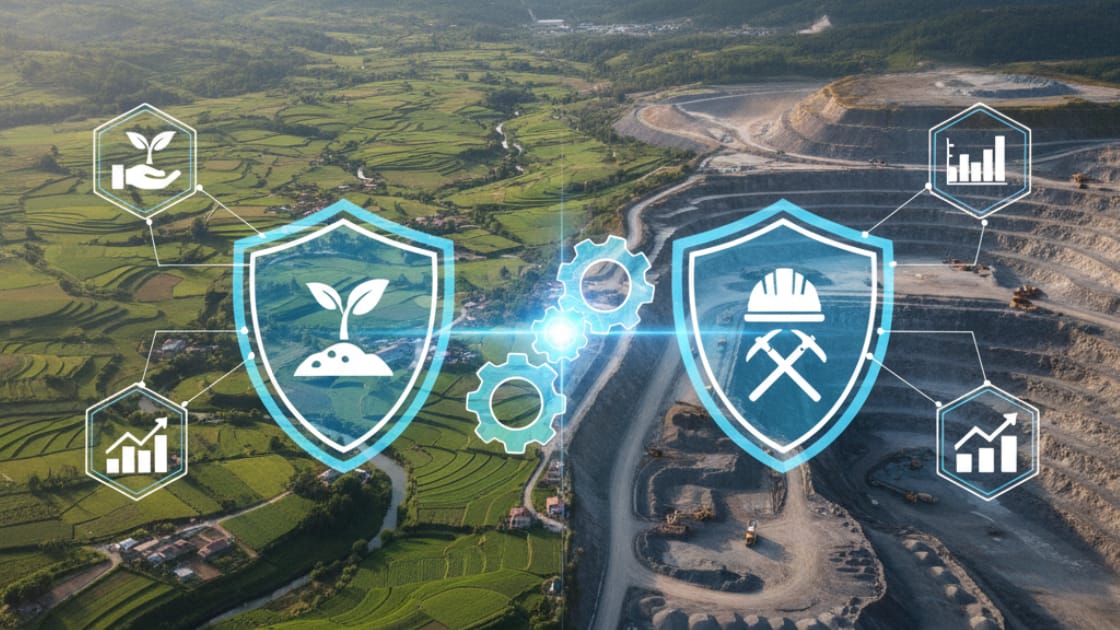

Kathmandu. Leading up to 2025, the global insurance market will see a significant change in the risk assessment of agriculture, mining and related industries.
The fall in insurance rates is taking the investment environment from the manufacturing sector to agriculture in a new direction. This change is seen as an opportunity for investors and insurance companies in developing countries like Nepal.



Mining Sector: Risk increases even if insurance rates decrease{
}
Insurance rates have fallen significantly in mining industries around the world. Increasing competition among insurance companies, capital infusion and entry of new market are the reasons for the reduction in insurance rates. However, caution is still needed due to climate change and unforeseen natural hazards. Companies that adopt transparency in environmental, social and good governance policies are now getting cheaper insurance rates and higher safety limits. This is pushing the market towards responsible investment and sustainable mining operations.
Agriculture: Fixed Rate and Technology-based Insurance Development
}
The agricultural insurance market is set to stabilize in 2025. The attraction towards insurance is increasing among the farmers. Insurance is becoming especially popular to reduce the risk of loss and loss of income from seasonal disasters. New technologies used in agriculture, such as satellite data, weather indices, and risk assessment through artificial intelligence (AI), have simplified and reliable insurance pricing.
Such technology has made it easier for farmers to get immediate compensation. As a result, agricultural insurance is now being extended to rural areas rather than cities. However, even if the insurance rates have come down, government support is indispensable for small farmers who find it difficult to pay high premiums.
Overall risk value and impact of technology
}
Insurance rates in the global insurance market have been steadily decreasing in the last quarter. This trend is evident in the mining and agriculture sectors. Insurance companies have increasingly used digital technologies, real-time weather information, and product chain data to determine insurance pricing at an individual level. This has led to a major improvement in insurance access and price transparency.
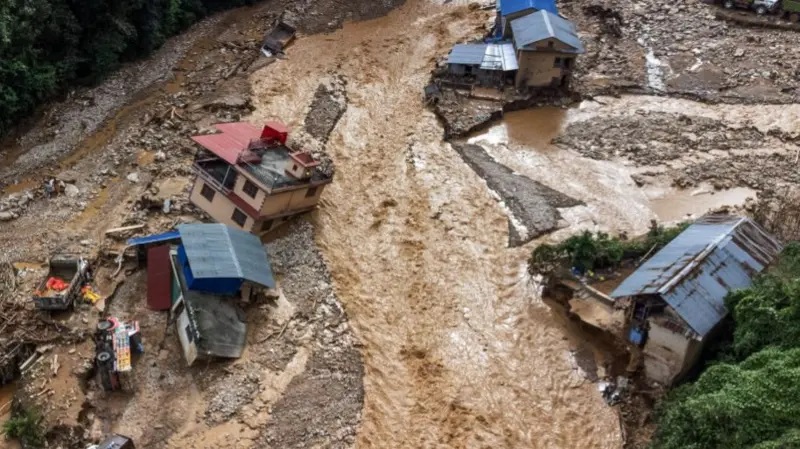
Similarly, index-based insurance systems (where insurance is automatically paid on the basis of certain climatic events or production indices) are now becoming popular in the agriculture and tourism sectors. If such technology is adopted in Nepal too, it will help in relieving the damage caused by natural disasters like flood, landslide and hailstorm.
{{TAG_OPEN_strong_30}Opportunities and challenges in Nepal
The contribution of agriculture, mining and tourism to Nepal’s economy is remarkable. However, all three are vulnerable to climate and market risks.
The declining global insurance prices and the technology-driven risk assessment system could encourage insurance companies in Nepal to develop new products and engage in international collaborations. In addition, there is an opportunity to collaborate with international companies to introduce index-based insurance products for the agriculture and mining sectors. It will contribute in the long term in expanding insurance penetration, risk mitigation and investment protection in Nepal.
The fall in the price of mining and agricultural insurance in the global market is not just a business change, it is a new approach to future risk management. If Nepal can use this as an opportunity, it can have a positive impact not only on the insurance market but also on the overall economic stability.