



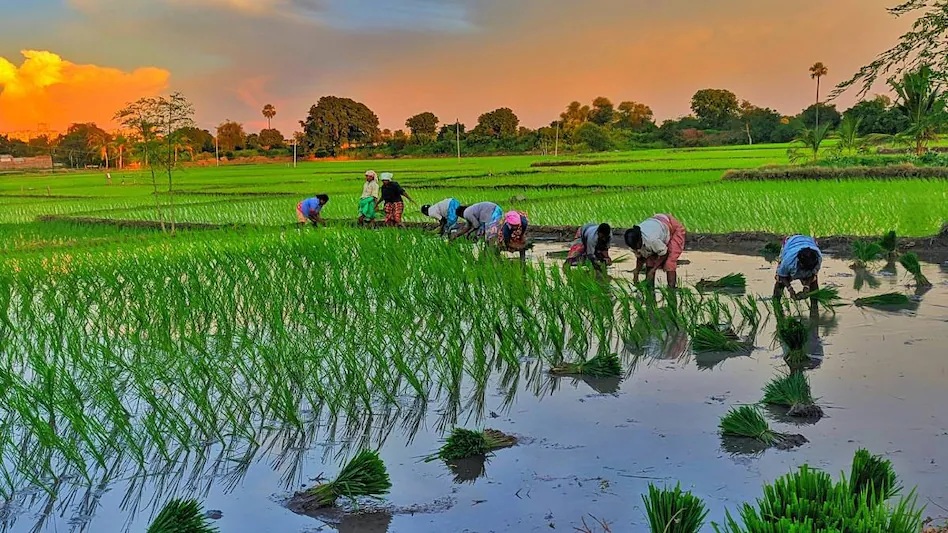

Kathmandu. Agriculture contributes 24.12 per cent to the GDP. Paddy alone accounts for 13 per cent of the total contribution of the agriculture sector. Rice crop contributes about 4 per cent of gdp.
Paddy is cultivated in 47 percent of the total cultivable area. Rice accounts for more than 50 percent of the total grain production.


Nepal receives paddy and its by-products worth rs 200 billion annually. Rice accounts for 15 per cent of the gdp of the agriculture sector.
The government in the current fiscal year 2082. In the budget statement of 1983, the government has set a target to increase rice production within the next two years and make it self-reliant in rice production. The government has allocated budget to increase both productivity and production of paddy. A strategy has been chalked out to increase the production of paddy with the participation of all three levels of government.
According to the Department of Agriculture, the program will focus on bringing the latest technologies obtained from fertilizer, quality seeds and research to the farmers. Chaitedhan Promotion Programme is being conducted in 58 municipalities of 18 districts across the country through federal co-financing transfer.
Under the Prime Minister Agriculture Modernization Project, 21 zones and five superzones of paddy are being operated to develop the entire value chain of barkhe and chaite masina paddy. The Department of Agriculture is also coordinating to fix the minimum support price (MSP) for rice and rainfed in time.
Of the 7 million metric tonnes of paddy required for consumption in Nepal, 1 million metric tonnes of paddy production is insufficient. A total of 753,000 metric tonnes of paddy products have been imported till Mid-May of the last fiscal year. About Rs 38.94 billion has gone abroad.
Rice crop no insurance
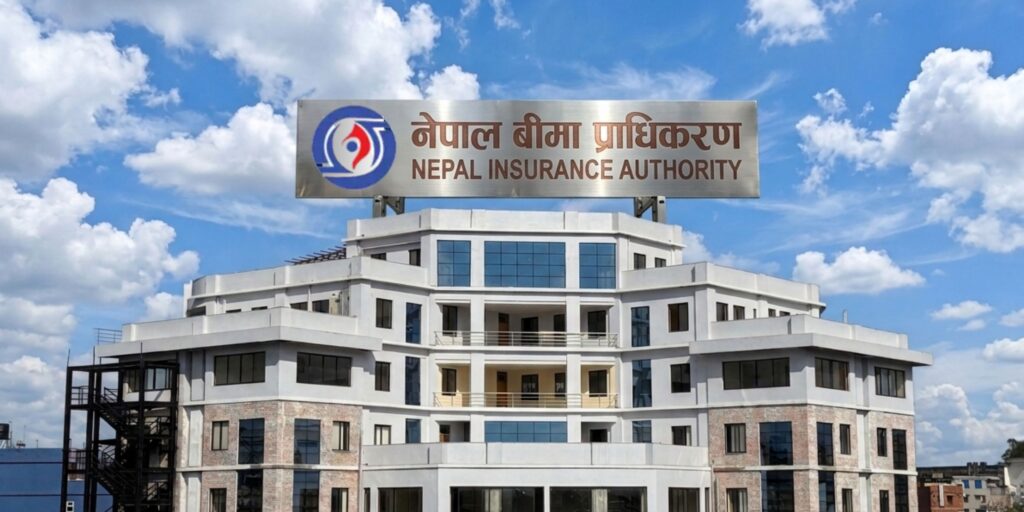
Although the government has spent around Rs 550 million annually on subsidy for agricultural insurance, the benefit of insurance has not reached the farmers of paddy, wheat and pulses crops.
Farmers across the country have spent the last fiscal year 2081. He cultivated paddy on a total area of 1,420,636 hectares. According to the Department of Agriculture, they have produced a total of 5,955,476 metric tonnes of paddy.
Even though paddy has been planted in such a large area, the farmers who cultivate paddy have not been able to come under the security umbrella of insurance. Only 1 per cent of the insurance policies issued by the non-life insurers are related to the cultivation of rice, maize, wheat and other cereal crops. The remaining 99 per cent is limited to livestock and fisheries insurance.
The animal husbandry sector contributes about 27 percent to the total agricultural GDP and 13 percent to the GDP.
Although the government has made it a matter of national importance, Nepal’s agricultural insurance has not been able to recognize the paddy crop. Not only paddy crops, but also maize and wheat crops, which make the second and third significant contribution to the total production of the agricultural sector after paddy, are also inaccurate. In Nepal, it seems that agricultural insurance is only livestock and fisheries insurance.
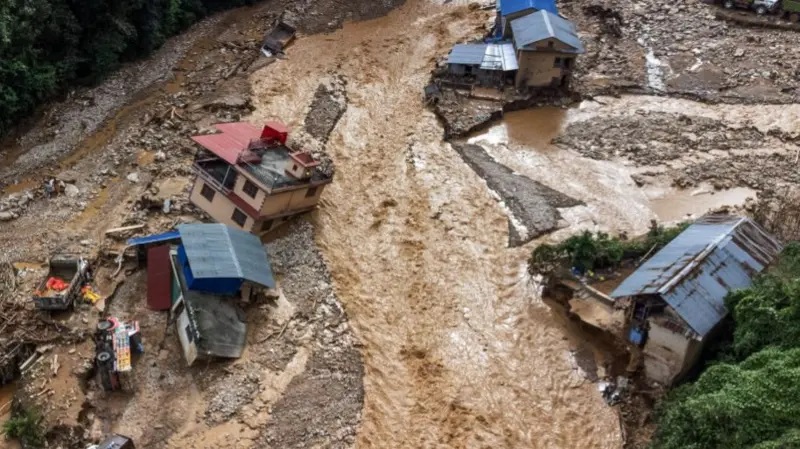
The direct and negative impact of climate change has been on the agriculture sector. Due to excessive rains, hailstorms, droughts, floods and landslides, the farmers who have become helpless due to the destruction of the crops of the fields are in a state of disarray except to spend a difficult day by putting their hands on their backs.
This year too, madhes province was completely affected due to lack of rainfall for a long time during the monsoon season. Under pressure from the provincial government, the federal government has also declared a crisis zone. The farmers of Madhes province could not cultivate the rainy season this year due to lack of irrigation. The drought not only destroyed the seeds, but also closed the way for them to earn a living this year. Now we have to spend the rest of the day in debt.
Against this backdrop, in the absence of insurance coverage, it is not easy for the government to encourage farmers to cultivate paddy crops. Once the crop is damaged by drought or flood, farmers have to earn profit from regular farming for about three years.
Therefore, the government should also take the paddy crop insurance program together to achieve the goal of becoming self-reliant in rice production by promoting the production of paddy crop.