




Kathmandu. The number of non-resident Indians (NRIs) opting for health insurance and healthcare in India is on the rise.
According to a report published in Business Standard, the number of NRIs providing health insurance has increased by 150 percent year-on-year. In India, nris under the age of 35 increased by 148 per cent, compared to 125 per cent for women with health insurance, according to data from insurance aggregator Policybazaar.com.



There has been a major change in the attitude of NRIs towards India’s healthcare system. It’s not just about affordability, it’s also a matter of confidence in India’s healthcare infrastructure.
Nearly half (46 per cent) of insurance claims filed by NRIs come from tier-III cities. In terms of healthcare infrastructure and healthcare providers, cities in the southern states of the country have been found to be at the top of NRI priorities (in all categories).
One of India’s major advantages is that the cost of surgery and medical procedures is significantly lower than that of the US and the UK. In India, the average NRI claim amount for alternative processes ranges between $2,000 and $15,000. The insurance premium in India is significantly lower than that of the US and The Gulf Cooperation Council (GCC).
Annual premiums in India range between $120 and $300 per person. In the US, health insurance premiums average $8,000 per person annually. Whereas in GCC countries, it ranges between $4,000 and $5,000.
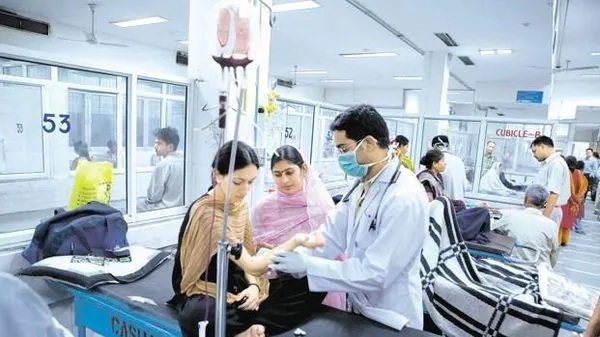
Hospitals in India are equipped with the latest state-of-the-art technology and equipment, especially in the private sector. Most of the doctors working in these hospitals are trained at leading global medical institutions and universities.
Indian private hospitals, on the other hand, often offer rapid consultation and surgery without a long waiting period.