



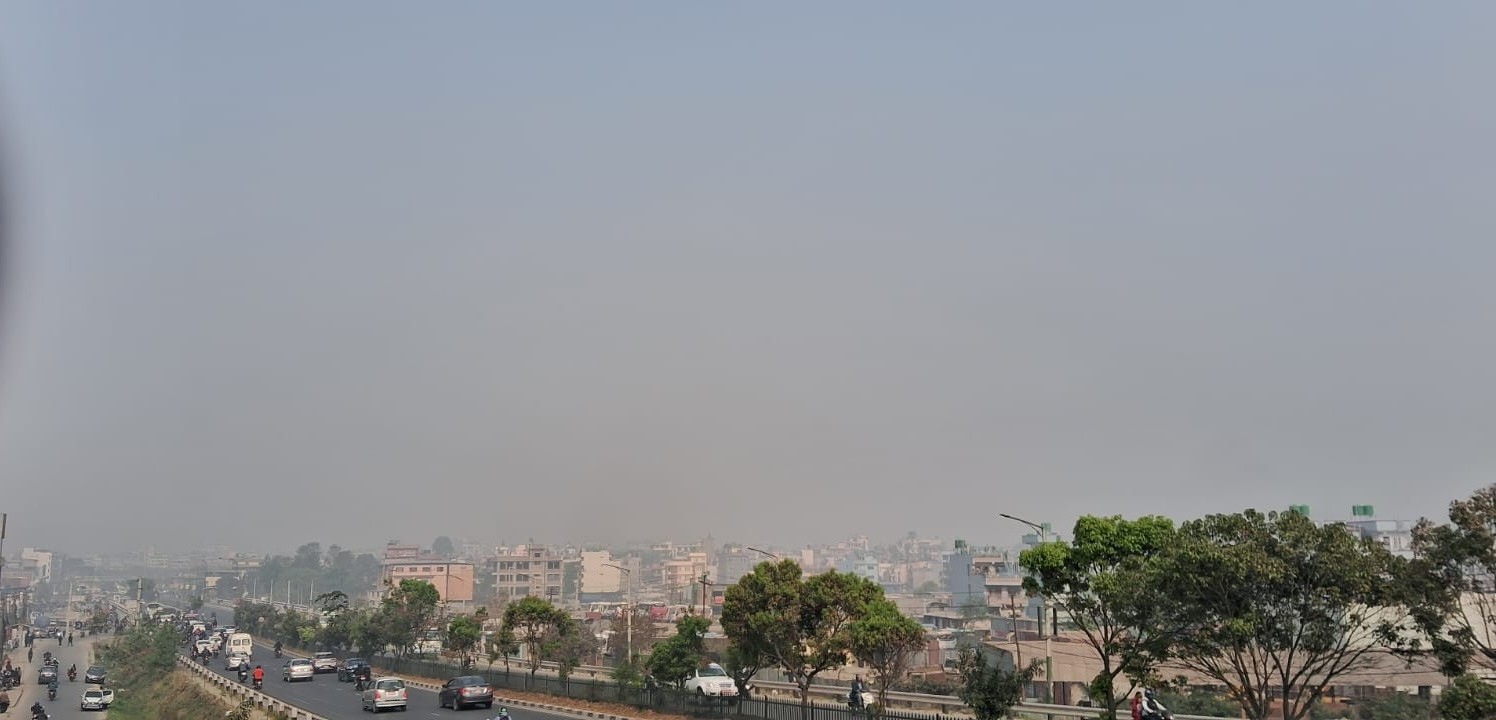

Kathmandu. Nepal, known for its geographical diversity and natural beauty, is facing increasing air pollution. Air pollution has only increased to such a high level that it has also emerged as a major public health challenge.
According to a report released by the World Bank recently, air pollution is the biggest risk factor for premature death and disability in Nepal. According to the report, air pollution has reduced the life expectancy of the average Nepali by 3.4 years. Diseases caused by air pollution cause nearly 26,000 premature deaths annually.



The World Bank has noted that single or regional solutions are not enough to meet the goal of maintaining clean climate. Public policy and investment need to optimize air quality actions in regions, prioritizing those with the most cost-effective solutions, the World Bank said in a report.
The report, “Towards Clean Air in Nepal: Benefits, Pollution Sources, and Solutions” as a baseline assessment of air pollution in the country and the air cover at the foot of the Indo-Gangetic Plain and Himalayas.
According to the report, the Kathmandu Valley and terai are the main centers of air pollution in Nepal, which have not seen any significant improvement in the last decade.
In addition to health, air pollution affects labor productivity, tourism and aviation sectors. The economic cost of poor air quality is equivalent to more than 6 percent of Nepal’s GDP every year.
The report also suggests initiatives to control air pollution:
Vehicle emissions: It is important to continue electrifying vehicles, including cars, motorcycles, buses and trucks, to address air pollution. It needs to be supplemented by strengthening the vehicle inspection and maintenance system and reducing road dust.
Industrial emissions: Policies to adopt clean technology and fuel in industries including electric and boilers and furnaces in small and medium enterprises will help promote green industries. Industrial facilities such as brick and cement factories should also be encouraged to burn cleaner and more efficient fuel.
Household cooking: Helping households adopt clean and electric stoves is an important means of harvesting household sources of air pollution. Biomass-fueled stoves create air pollution both indoor and ambient.
Forest fires: Fire prevention is important in reducing the likelihood of forest fires by reducing fuel loads and developing effective awareness programs. Effective response systems are also needed to extinguish fires.
External pollution: It is important to effectively partner with neighboring countries. Cross-border airflows carry pollutants across the border. The Indo-Gangetic plain and the foothills of the Himalayas share the same air, which means pollutants can travel across the border, and affect air quality in many countries.
Nepal’s unique geographical location, especially the bowl-shaped Kathmandu Valley surrounded by mountains, is adding to the problem.