



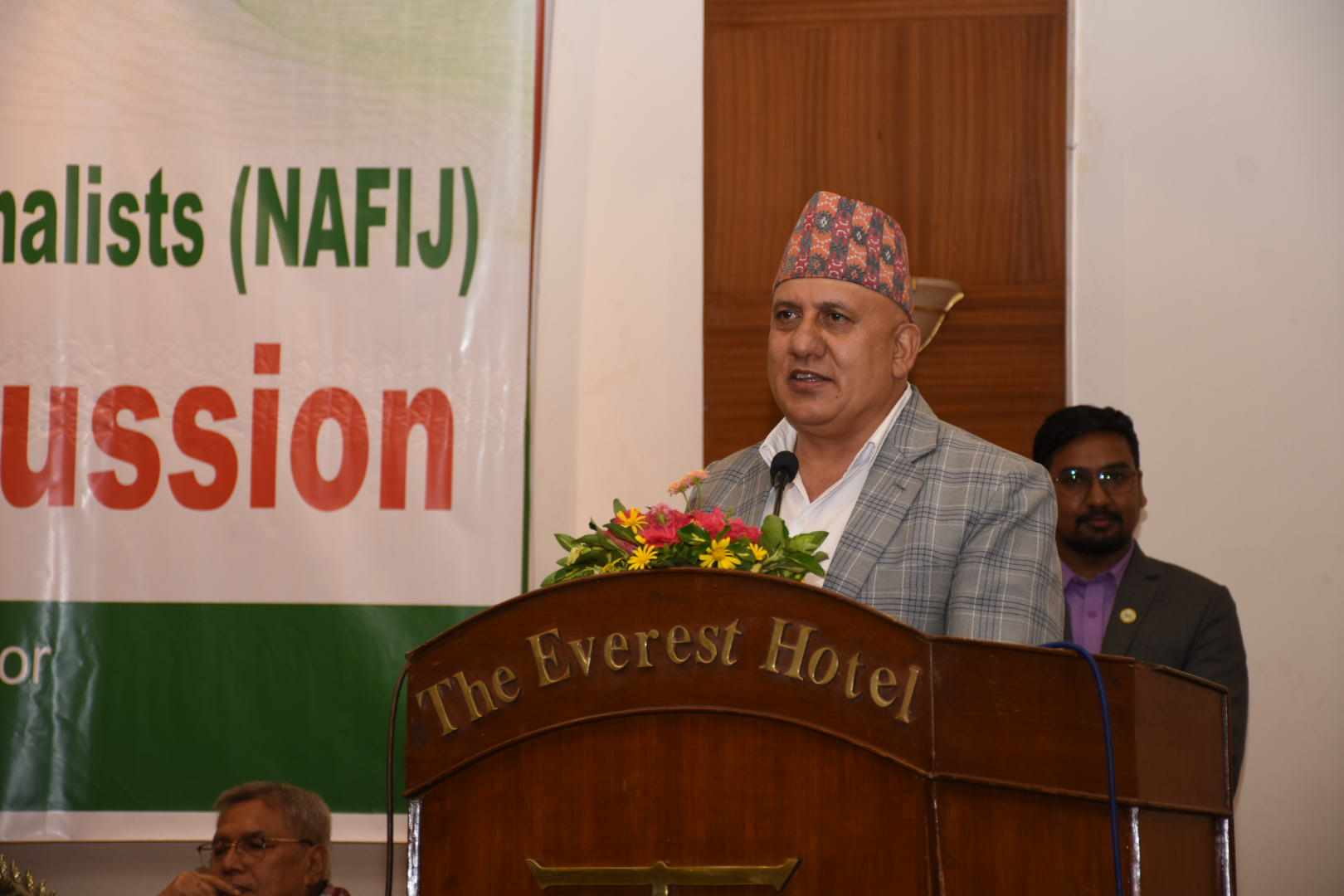

Kathmandu. Vice Chairman of The National Planning Commission. Shivaraj Adhikari has said that the policy of not including projects costing less than Rs 30 million in the Union Budget has improved the practice of allocating budget for projects this time.
Adhikari was speaking at a post-budget discussion organised by the Association of Economic Journalists of Nepal (NAFIJ) in Kathmandu on Saturday. “Discussions were also held on issues including extension of time for the project. When there was 18,000 in the project bank, another software was made and arrangements were made not to include projects worth less than Rs 30 million in it,” he said. It was always like the budget for the project. Now it has been successful in improving it. ’



Vice-Chairman Adhikari said that the budget has been brought after conducting a meticulous study amidst various pressures. “There was a need to talk about resources in the budget. There was also a problem in this regard due to political changes,” he said, adding that the burden of debt was also coming on the heads of the people. In the midst of such a lot of pressure, the work was done by meticulous study. For this, re-form has been done and moved forward. Some policy reforms have been made after reviewing the projects and projects. ’
Adhikari said that improvements have also been made in providing grants to the local levels and provinces. He also said that it would be effective. “At present, Karnali has made arrangements to put 70 per cent and 30 per cent to itself,” he said, adding, “The municipalities of Karnali, which did not have money last year, did not apply to the scheme bank. ’
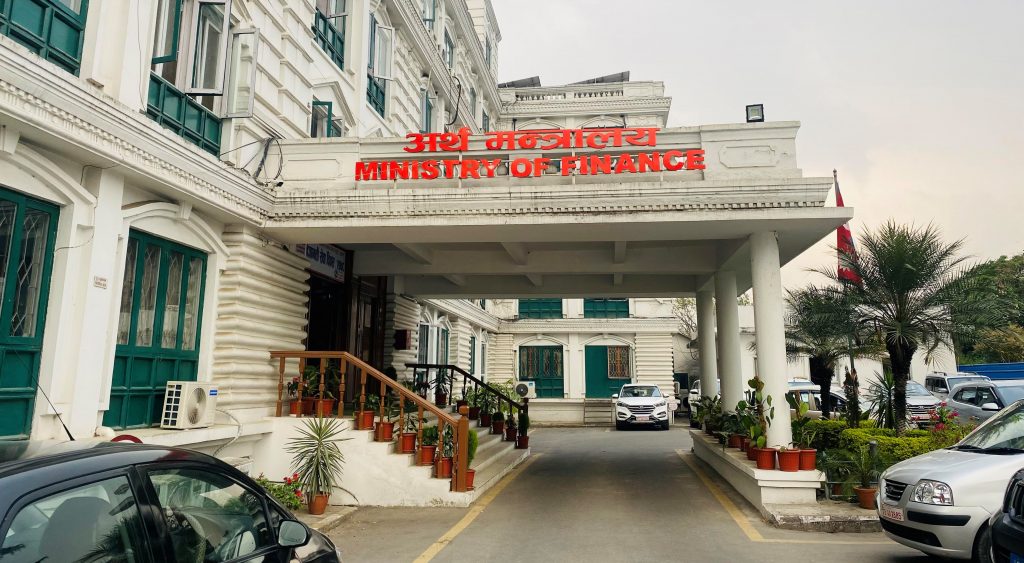
Vice-Chairman Adhikari said that the budget was prepared after discussions between the concerned bodies, the Planning Commission and the Ministry of Finance. He claimed that this budget is youth friendly.
Officials believed that this budget would also work well to bring new youth forward. Stating that there was a need to coordinate with the private sector, he said understanding was needed rather than conflict.
The official said that work will now be done by going to different places and interacting. “There is a need to focus on implementation rather than planning,” he said, adding, “There is a need to move forward together with the ministries and agencies in the implementation.” ’