





Kathmandu. Australia is lagging far behind the level of adaptation investment needed to address the growing disaster risk of climate change, according to an Australian report. If this lack of investment continues, the damage from natural disasters could more than double in the coming decades. This seriously damages Australia’s economic stability.
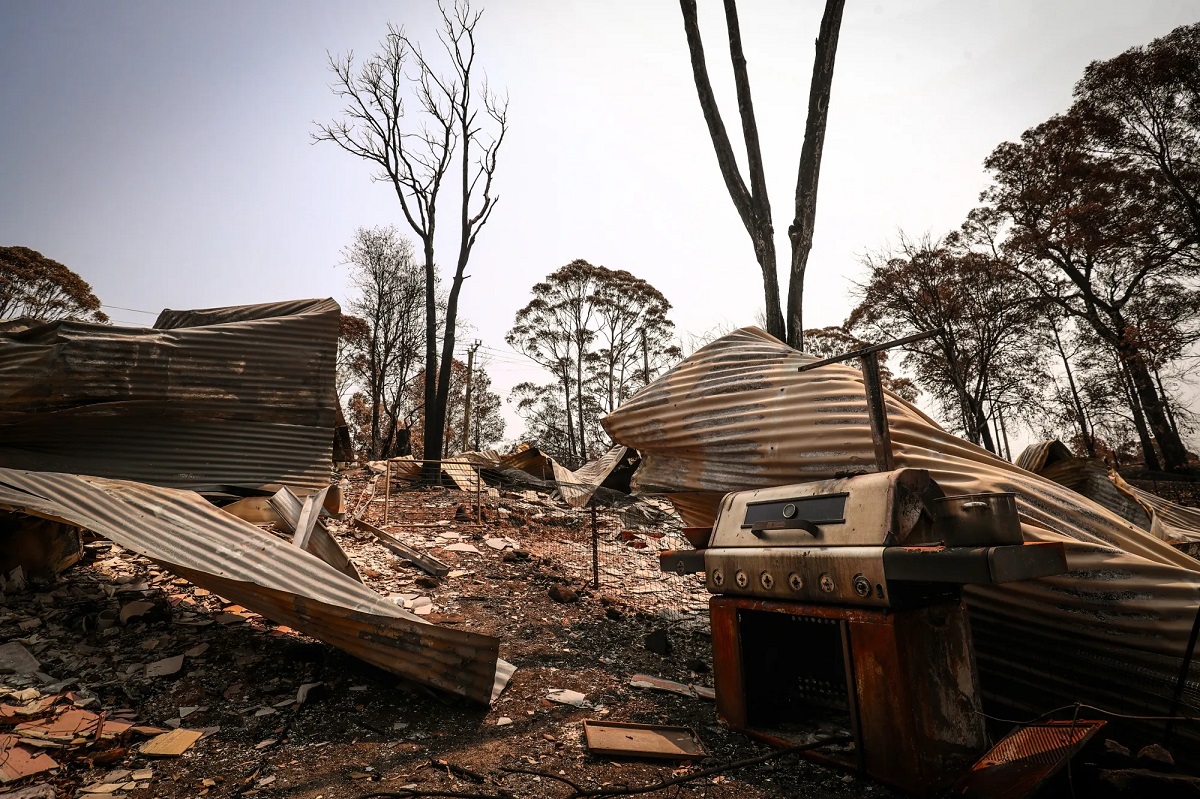
The report, ‘Mobilizing Investments for Climate Adaptation’, says that natural disasters currently cost the Australian economy approximately 38 billion Australian dollars annually. The damage is expected to reach AU$73 billion by 2060, the report said, adding that if this trend is not reversed, the country’s infrastructure, housing, business, agriculture and insurance sectors will face long-term pressure. Frequent cyclones, major floods, record fires and high winds are now the reality of climate change; Each setback is creating new wounds in the economy. ’


The report said that policy weaknesses and misalignments are one of the reasons for the delay in adaptive investment in Australia. Many much-needed infrastructure and security projects have been pushed back because traditional cost-benefit analyses have failed to capture the true value of long-term risk reduction. This means that long-term, cost-effective investments in coastal defence, flood defence, fire protection infrastructure, and reconstruction in vulnerable areas have been stalled. However, they can actually prevent significant damage.
The insurance sector is also directly affected by this investment gap. Rising climate-related risks are driving up insurance premiums sharply in some regions. In others, it is becoming increasingly difficult to get insurance.
According to the Institute of Actuaries, insurance markets will become more volatile without increased investment in adaptation. This will have a negative impact on other sectors of the economy.
The report’s lead author and Taylor Fry’s chief actuary, Ramona Myrick, said the costs of climate change were now a permanent burden on Australia’s economic activity. “Adaptation investment is inadequate and inadequate compared to the climate risks Australia currently faces. This reduction will lead to further costs in the future,” she warned, adding that adaptive investing should now be seen as a necessary means of reducing losses and not as additional costs. ’
According to Myrick, the recently released National Climate Risk Assessment and National Adaptation Plan already provide a clearer picture of Australia’s climate risks. “But those analyses need to be translated into investments through practical action plans, effective financing and strong support structures,” she said. Instead, they will increase. The country now needs urgent action to address climate risks in infrastructure, human settlement planning, natural resource management and urban development. ’
“Climate adaptation is no longer a question of the future; This is today’s economic reality. Today’s delay will multiply future costs. With the right policies, early decisions, and a coordinated action plan, increasing losses every year can be prevented through adaptive investments. ’
“The political will and economic foresight are urgently needed to address the climate risks facing Australia while ensuring the long-term stability of the country and the safety of its people,” the report said.